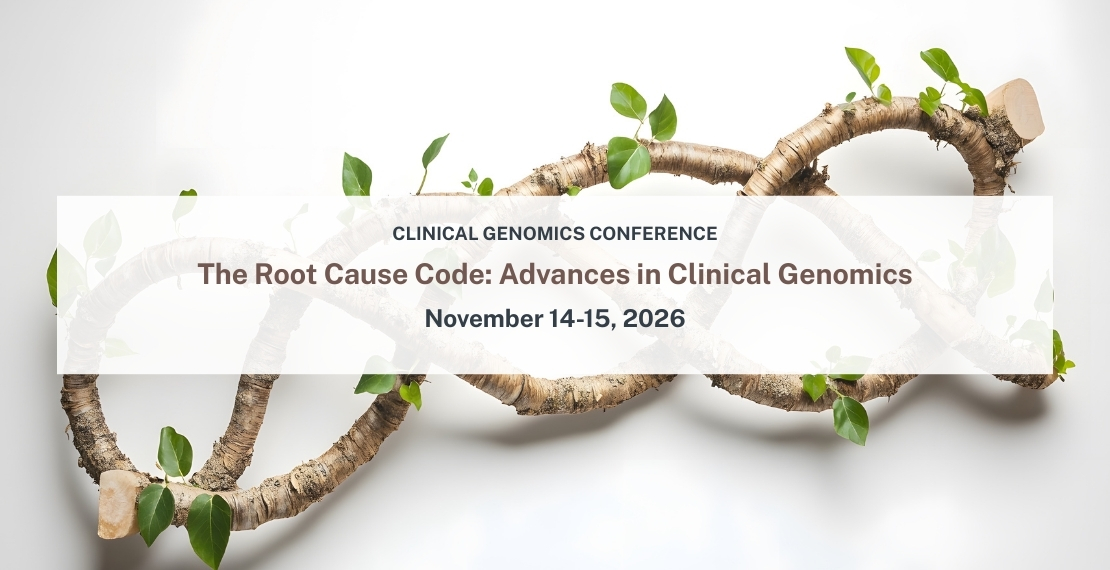
From genomics and proteomics to metabolomics and microbiomics, the “omics” sciences are transforming how we understand health and disease. By examining biological systems at multiple levels—from genes and proteins to metabolites and microbial communities—omics approaches reveal the complex, interconnected pathways that drive disease risk, progression, and treatment response. This system-level view is advancing precision medicine, enabling more accurate diagnostics, targeted therapies, and personalized prevention strategies.
From identifying root-cause patterns to optimizing prevention and treatment plans, this event highlights the growing role of genetics in modern integrative practice—without losing the holistic philosophy at its core. Whether you're expanding your existing genomic toolkit or just beginning to integrate these powerful methods, you’ll gain the clarity, confidence, and clinical pearls needed to elevate your approach. Join us as we learn how to translate complex genomic insights into meaningful, patient-centered strategies.
Confirmed Speakers:
Ryan Bradley, ND, MPH
Sharon Hausman-Cohen, MD, FAAFP, ABOIM
Leah Hollon, ND, MPH
Penny Kendall-Reed, BSc, ND
Patrick Hanaway, MD, IFMCP
Ari Calhoun, ND, FMAPS
Annelie Smith, RD, IFNCP
Nicqui Grant, RD(SA), IFNCP
CE Credits:
12 PDA points approvedby the NCBAHM (National Certification Board for Acupuncture and Herbal Medicine)
NUNM is accredited by the North American Naturopathic Continuing Education Accreditation Council (NANCEAC). This activity qualifies for 9.5 General, 2.25 Ethics, and 0.25 Pharmacology (Total 12.0) CEUs.
Sponsored By:
Webinar Details:
This fully online virtual event will be hosted through Zoom
Recordings of all conference presentations are provided for attendees at no additional cost
Recordings can be viewed for credit after the event if you do not attend live
Early Bird Deadlines:
10/02/2026: all prices listed below increase by $50
10/30/2026: all prices listed below increase by an additional $25
Saturday, November 14
9:00 - 10:30 AM
"Genomics as the Backbone of a Precision Medicine Approach to the Brain: We've Come a Long Way"
Sharon Hausman-Cohen, MD, FAAFP, ABOIM
10:30 - 11:00 AM
BREAK
11:00 - 12:30 PM
"Insulin Resistance or Genetic Resistance? Altering Genes to Modify Insulin Pathways"
Penny Kendall-Reed, BSc, ND
12:30 - 1:30 PM
LUNCH
1:30 - 3:00 PM
"The Microbiome and the Metabolome: Form Follows Function"
"Genes First: A Pathway-Based Clinical Framework for Neuroendocrine Resilience"
Annelie Smith, RD, IFNCP
10:30 - 11:00 AM
BREAK
11:00 - 12:30 PM
"Pharmacogenomics in Practice: Magic, Myth, or Mistake?"
Leah Hollon, ND, MPH
12:30 - 1:30 PM
LUNCH
1:30 - 3:00 PM
"Healthy Mom, Healthy Baby- The Role of Genomics"
Ari Calhoun, ND, FMAPS
3:00 - 3:30 PM
BREAK
3:30 - 5:00 PM
"The Genomics of Thyroid Function, Conversion, and Clinical Decision-Making"
Nicqui Grant, RD(SA), IFNCP
Sharon Hausman-Cohen, MD, FAAFP, ABOIM
"Genomics as the Backbone of a Precision Medicine Approach to the Brain: We've Come a Long Way"
1.0 Ethics, 0.5 General (Total 1.5 CE)
Most chronic diseases are not genetic but instead genomic. Genomics is the study of small changes in an individual's DNA that, when combined with diet, lifestyle, and other factors, can contribute to disease but are not disease-causing by themselves. This talk will explain the science of genomics and how SNPs and variants can be made actionable. It will then provide examples of how genomics can help elucidate modifiable root cause contributing factors to brain health, ranging from ADHD and ASD to depression and cognitive decline. The talk will highlight a naturopathic approach to the discussed gene variants, utilizing genomically targeted, specific food recommendations, lifestyle, and targeted supplements. We will also talk about privacy and ethics around sharing genomics information with patients. This is a 90 minute session to allow ample time for questions and discussion.
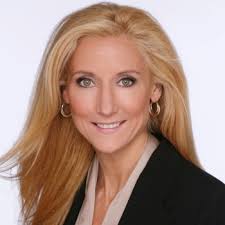
Bio: Sharon Hausman-Cohen, MD is a leading expert in cognition and neuroscience, serving as Medical Director and Head of Research for IntellxxDNA. Her work focuses on brain health, utilizing IntellxxDNA’s genomics-driven brain optimization report in cognition research and clinical practice nationwide. Dr. Hausman-Cohen is also co-founder of Resilient Health, where she applies a multimodal approach to treat cognitive decline, including early access to groundbreaking therapies like TB006. She has co-authored seven publications and a textbook chapter on neuroscience, covering topics such as autism and cognitive decline.
Penny Kendall-Reed, BSc, ND
“Insulin Resistance or Genetic Resistance? Altering Genes to Modify Insulin Pathways”
1.5 General (Total 1.5 CE)
Insulin resistance is estimated to affect 40% of individuals worldwide. The CDC estimates that a staggering 84% of cases remain undiagnosed. Factors contributing to these numbers include poor diet, lack of exercise and environmental toxicity. However, the most important yet least-recognized contributor is systemic inflammation. Approximately 80% of all major human diseases are mediated by inflammation and while there are numerous pathways leading to this pathology, the one proving to be overwhelmingly important is chronic stress and the associated dysfunction of the HPA axis. The connection between inflammation, sleep deprivation, insulin resistance and metabolic syndrome can no longer be ignored. We must address all sides of the stress-sleep-inflammation-insulin resistance equation to successfully treat our patients. Treating this successfully requires a far deeper understanding of the specific individual genetic factors. For example, our genetics dictate which of us release higher amounts of glucocorticoid for each stressor which can then drop our metabolic efficiency from 92% to 35% independent of diet and exercise. Similarly, it is our genes that control the levels of inflammatory cytokines we produce, altering GLUT4 transportation, impairing insulin signaling and inhibiting UCP1-directed thermogenesis.
In this lecture I will review the genes involved in the above pathways. I will demonstrate, using diet, lifestyle changes and natural supplementation how to alter gene expression, reset the central nervous system, re-balance metabolism and reduce inflammatory load.
Bio: Dr. Penny Kendall-Reed, N.D., is a naturopathic doctor in Toronto. After graduating from McGill University in Neurobiology, she earned a degree in Naturopathic Medicine from the Canadian College of Naturopathic Medicine, where she received the Dr. Allen Tyler Award for Most Outstanding Clinician. Dr. Kendall-Reed is the author of six national best-selling books, including the recently released book, “Fix Your Genes to Fit Your Jeans,” which she co-authored with her husband, Dr. Stephen Reed. She was voted Naturopath of the Year in 2013, and in 2018 received the “Top Naturopathic Doctor” award in Canada. Dr. Kendall-Reed is the creator of the integrated genetic platform GeneRx.ca. She analyzes and interprets genetic profiles to design personalized health programs for patients worldwide. She is a medical consultant for Pure Encapsulations® and Douglas Laboratories® and the director of Natural Therapies at The Urban Wellness Clinic.
Patrick Hanaway, MD, IFMCP
“The Microbiome and the Metabolome: Form Follows Function”
1.5 General (Total 1.5 CE)
This presentation explores a modern clinical framework for addressing microbiome dysbiosis by shifting the therapeutic focus from eradication of “bad bacteria” to restoration of the metabolome and host-mediated environmental control. Emphasizing the relationship between oxidative stress, mitochondrial dysfunction, and microbial imbalance, the lecture outlines a stepwise strategy for rebuilding gut ecology. Key topics include preparing the host environment through dietary and lifestyle interventions, reducing oxidative stress with post-biotics and targeted nutrients, implementing a staged prebiotic protocol based on fermentability, and ultimately reseeding the microbiome with beneficial bacteria and psychobiotics. Attendees will gain practical insights into supporting microbiome resilience through an ecological and metabolomic lens.
Bio: Dr. Patrick Hanaway, MD is a board-certified family physician trained at Washington University. Dr. Hanaway served on the Executive Committee for the American Board of Integrative Medicine and is Past President of the American Board of Integrative Holistic Medicine. For more than 25 years he was worked with his wife, Dr. Lisa Lichtig, in clinical practice @ Family to Family: Your Home for Whole Health Care in Asheville, NC.
After 10 years as Chief Medical Officer at Genova Diagnostics, Dr. Hanaway became the Chief Medical Education Officer for the Institute for Functional Medicine (IFM) where he oversaw the development and implementation of IFM’s programs worldwide, while leading the GI Advanced Practice Module.
In 2014, Dr. Hanaway worked with Dr. Mark Hyman to develop the collaboration between IFM and the Cleveland Clinic, where he was the founding Medical Director, then Research Director. The primary focus of Dr. Hanaway’s work is to leverage his skills and perspective to add value in healthcare organizations, through education, research and clinical care, particularly in the areas of nutrition and the microbiome.
In 2018, Dr. Hanaway was diagnosed with Stage IV Laryngeal Cancer. His life has been transformed through a functional and integrative approach in concert with chemotherapy, radiation therapy, community support, ‘forest-bathing’ and prayer. ‘No Evidence of Disease’ is considered a cure, though life continues to be filled with uncertainty.
Importantly, Dr. Hanaway was initiated in 2009 as a Mara’akame [indigenous healer] by the Wixarika [Huichol] people of the Sierra Madres in Mexico. He is chairperson of the Blue Deer Center in upstate NY. Patrick holds community fires, leads ceremonies and pilgrimage to sacred sites, and offers traditional healing sessions ‘around the fire’ at the Sacred Fire Council House in Weaverville, NC.
This talk explores how host genetics and gut microbiota–derived metabolites interact to influence cardiovascular risk, with emphasis on clinically actionable assessment and integrative interventions suitable for naturopathic practice. Attendees will learn mechanistic links between common metabolites (e.g., TMAO, SCFAs, secondary bile acids) and cardiovascular physiology, how genetic variation modulates metabolite production and host response, and practical strategies—dietary, botanicals, lifestyle, and targeted microbiome modulation—to reduce cardiometabolic risk. Case-based examples and clinical tools will be provided to support individualized, evidence-informed care.
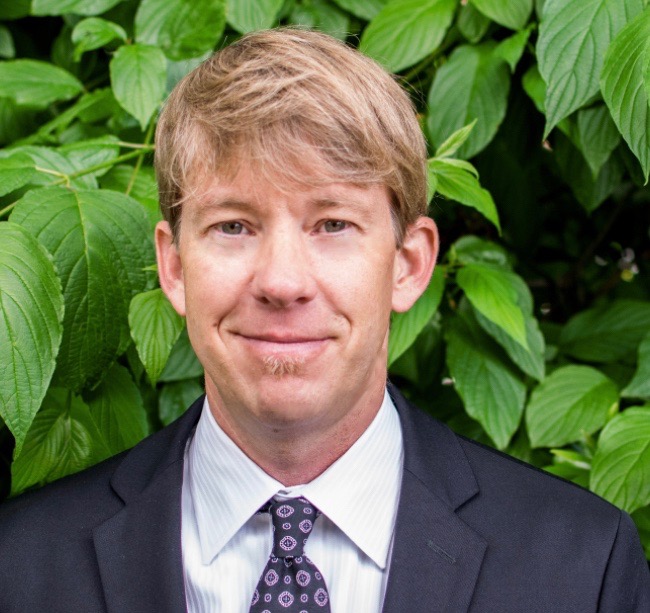
Bio: Ryan Bradley, ND, MPH is an Associate Professor in the Herbert Wertheim School of Public Health and Human Longevity Science at the University of California, San Diego. Dr. Bradley received his ND from Bastyr University and his MPH in Epidemiology at the University of Washington (UW). After his residency, he completed 8 years of NIH-funded clinical research training including 5 years in the KL2 program in the Division of Cardiology at the UW. He has been an Investigator on approximately 12 NIH grants, including presently as a co-Director of the UC San Diego REACH Center for Translational Science in Whole Person Health, a virtual research center supporting complementary medicine institutions. Additionally, he has published NIH R01-funded research reporting microbiome-natural product interactions with xanthohumol, a polyphenol from hops, in adults with Crohn's disease. He has published over 115 peer-reviewed research articles, mostly clinical trials. He also serves as a member of the Board of Governors of the Patient-Centered Outcomes Research Institute (PCORI).
Annelie Smith, RD, IFNCP
“Genes First: A Pathway-Based Clinical Framework for Neuroendocrine Resilience”
1.5 General (Total 1.5 CE)
Genetics is increasingly available to clinicians, but the gap between receiving genetic data and making confident clinical decisions remains wide. This lecture introduces a practical, repeatable clinical framework — Genes First — for translating nutrigenomic pathway data into prioritized, practice-ready care plans. The neuroendocrine genetic axis is used as the central teaching example: the bidirectional relationship between hormonal signaling and neurotransmitter function, connected through shared genetic pathways in methylation, inflammation, detoxification, and oxidative stress. A clinical case demonstrates the framework in action, showing how pathway-level genomic interpretation shifts treatment from symptom suppression to neuroendocrine stabilization.
Bio: Annelie Smith, is Head of Clinical, Health Impact & Integration at 3X4 Genetics and a senior clinician specializing in clinical nutrigenomics and translational genetics. She brings over 25 years of clinical experience and more than two decades focused on applying genomic science to personalized, preventive, and longevity-oriented healthcare. Her work is grounded in systems biology and centers on leveraging genetic insights to inform targeted interventions across key aging and disease-modifying pathways, including metabolic function, inflammation, hormonal regulation, and cellular resilience.
Annelie holds a Bachelor of Science in Dietetics and a Bachelor of Science (Medical) Honors in Clinical Nutrition from the University of Cape Town and is a registered dietitian with the Health Professions Council of South Africa (HPCSA). She has completed advanced training in sports nutrition, integrative and functional nutrition, and translational genetics, including certification as an Integrative and Functional Nutrition Certified Practitioner (IFNCP).
At 3X4 Genetics, Annelie provides scientific and clinical leadership across practitioner education, clinical framework development, and product innovation, ensuring genomic applications are evidence-informed, clinically robust, and outcomes-driven. She has been instrumental in the development of widely adopted practitioner resources, including the 3X4 Genetics Blueprint and the 3X4 Clinical Guide, which support functional and integrative clinicians in translating genetic data into actionable strategies for disease risk modification, health optimization, and healthy aging.
Her clinical background spans performance nutrition, executive wellness, lifestyle-related disease prevention, and critical care nutrition. She has guided thousands of patients and mentored healthcare professionals internationally through case-based education focused on precision nutrition, prevention science, and the integration of genomics into longevity medicine.
Leah Hollon, ND, MPH
"Pharmacogenomics in Practice: Magic, Myth, or Mistake?"
1.25 Ethics, 0.25 Pharmacology (Total 1.5 CE)
Pharmacogenomics is an emerging science that explores one’s drugs with genes to be more person specific to enhance therapy and reduce suffering. If you have wondered why a drug hasn’t worked for a patient or led to severe side effects, come along as we explore the ins and outs of pharmacogenomics to enhance your skill and proficiency. Naturopathic care and whole person medicine include reducing harm, minimizing side effects, and enhancing our knowledge to adequately prescribe. Explore how we can reduce such harm through case exploration, as you gain concrete tools to enhance your prescribing and/or co-management of patients. Format will consist of lecture and case-based learning.
Bio: Dr. Leah Hollon holds a BS in Psychology from Virginia Commonwealth University (VCU) and a master’s in public health (MPH) from VCU School of Medicine. She completed her ND degree and residency training at NUNM. She serves as an adjunct professor at the University of Cincinnati and the University of Buffalo in the Department of Pharmacy instructing within the field of nutrigenomics and pharmacogenomics. She serves as a reviewer for the American Journal of Pharmaceutical Education (AJPE), has been published in the use of alternative medicine in Central Appalachia, nutrigenomics, and is an award-winning author of Unwinding the Imprints of Disease: Transforming Intergenerational and Transgenerational Trauma. Her passion involves working with individuals who have struggled with significant chronic disease including rare presentations, or side effects to pharmacotherapy. She is the owner of Richmond Natural Medicine, which also houses the first accredited naturopathic residency in Virginia.
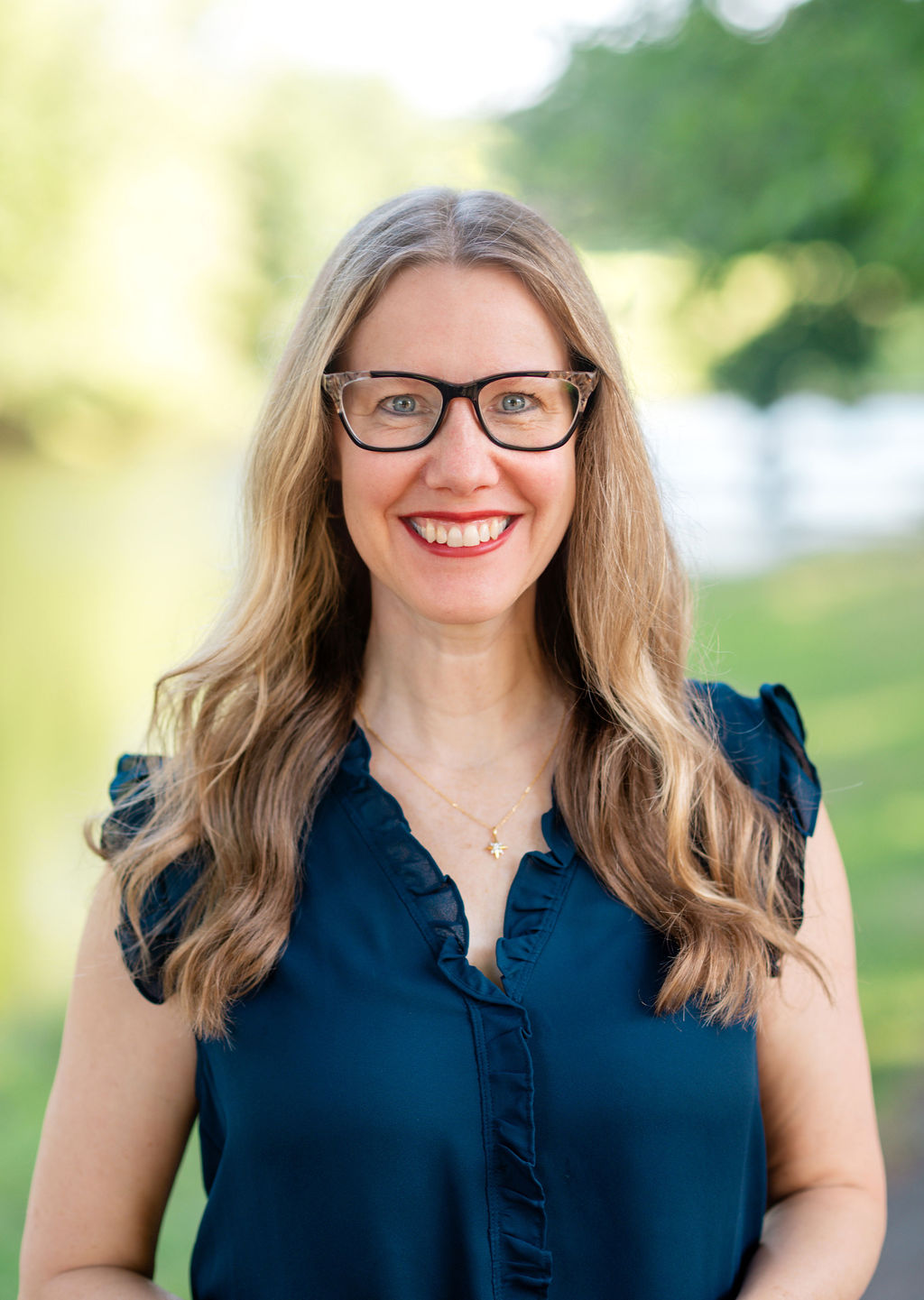
Ari Calhoun, ND, FMAPS
“Healthy Mom, Healthy Baby- The Role of Genomics”
1.5 General (Total 1.5 CE)
The first 1000 days of life represent a critical window during which genetic susceptibilities interact with environmental exposures to shape neurodevelopmental, immune, and metabolic outcomes. While neurodevelopmental conditions such as autism spectrum disorder (ASD), ADHD, autoimmune disease, and allergic disorders are influenced by complex multifactorial pathways, advances in clinically actionable genomics provide new opportunities for early risk identification and personalized prevention strategies.
This presentation explores how genomic information obtained preconceptionally, during pregnancy, or in early infancy can help clinicians identify vulnerabilities in key biological pathways including folate transport and metabolism, oxidative stress regulation, mitochondrial function, antioxidant capacity, detoxification, neuroinflammation, immune signaling, neurotransmitter balance, and neurodevelopment. Through a longitudinal clinical case, participants will learn how genomic findings can be integrated with family history, environmental risk assessment, nutrition, lifestyle interventions, and targeted supplementation to support optimal neurodevelopment during the first 1000 days.
Emphasis will be placed on translating genomic findings into practical, evidence-informed clinical recommendations while recognizing the multifactorial nature of neurodevelopmental outcomes. Attendees will gain a framework for incorporating genomics into preventative pediatric and perinatal care to support individualized risk reduction and early intervention strategies.
Bio: Ari Calhoun, ND is a naturopathic physician and the founder of Wholesome Brain Medicine, a precision medicine practice specializing in complex neurodevelopmental and neuroimmune conditions. Her clinical focus spans perinatal medicine and pediatric neurodevelopment, with particular expertise in optimizing fetal brain health and reducing neurodevelopmental risk, work that begins before conception.
Dr. Calhoun is recognized for her integrative approach to neurodevelopmental medicine, synthesizing genetics, immunology, metabolism, and environmental medicine into individualized clinical strategies. Her work illuminates how genetic susceptibility, inflammatory signaling, mitochondrial function, methylation pathways, and environmental exposures interact during critical windows of early brain development, and how that understanding can empower clinicians to support mothers and infants more proactively and precisely.
Her pediatric practice addresses the full spectrum of neurodevelopmental and neuroimmune conditions, including autism spectrum disorder, ADHD, PANS/PANDAS, and related complex presentations. Central to her clinical philosophy is the identification of underlying physiological drivers, not simply the management of symptoms.
Dr. Calhoun serves as Faculty and Fellow with the Medical Academy of Pediatric Special Needs (MAPS), where she lectures on neurodevelopment, genomics, immune dysregulation, and precision medicine approaches in pediatric chronic illness.
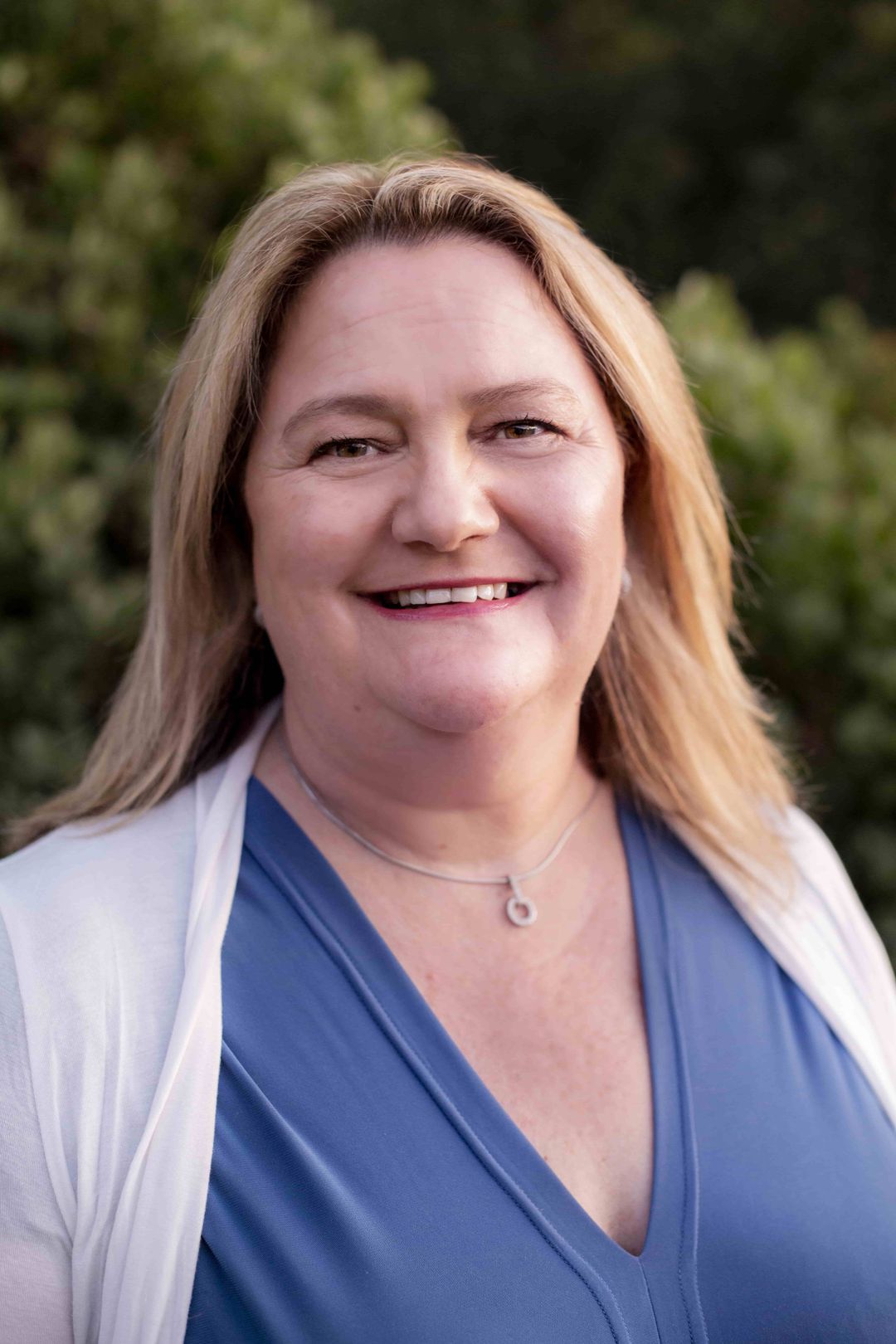
Nicqui Grant, RD(SA), IFNCP
"The Genomics of Thyroid Function, Conversion, and Clinical Decision-Making"
1.5 General (Total 1.5 CE)
Thyroid disease has more than doubled in prevalence over the past three decades, yet it remains one of the most misdiagnosed and undertreated conditions in clinical practice. In this presentation, The Genomics of Thyroid Function, Conversion, and Clinical Decision-Making, Nicqui Grant, RD(SA), IFNCP delivers a clinically grounded overview of thyroid physiology, dysfunction, and personalized management, bridging foundational endocrinology with cutting-edge nutrigenomics.
Participants will move efficiently from epidemiology through the HPT axis, the T4-to-T3 conversion cascade, the deiodinase enzyme family, and the stress–thyroid connection, before examining the most clinically significant disruptors of thyroid function: autoimmunity, hormonal influences, endocrine-disrupting chemicals, and microbiome dysbiosis. A practical treatment segment covers optimal lab panels with functional reference ranges and the evidence base for key nutrients and dietary strategies. The session culminates in the application of the 3X4 Genetics Blueprint to two real-world case studies, the first a menopausal woman with Hashimoto's-spectrum hypothyroidism, and the second a perimenopausal woman with Graves' disease. These case reviews demonstrate how genetic pathways including methylation, inflammation, oxidative stress, histamine, glucose & insulin, and hormone balance transform a generic treatment protocol into a precision intervention. Clinicians will leave with five actionable takeaways and a replicable framework for integrating nutrigenomic data into thyroid care.
Bio: Nicqui Grant is a Registered Dietitian holding a BSc in Dietetics from the University of Natal, South Africa, with over 25 years of private practice experience. A true pioneer in her field, she was among the earliest adopters of Nutrigenomics, integrating genetics into clinical practice as far back as 2004.
In 2014, a pivotal personal health journey led Nicqui to complete the Certificate Course in Integrative Medicine through the Department of Family Medicine at Stellenbosch University. This milestone shifted her clinical focus toward root-cause medicine and holistic disease management, moving beyond symptom treatment. Her particular passion within functional nutrition lies in Autoimmune disorders and Thyroid disease.
Nicqui began consulting to 3X4 Genetics in 2019, and in 2020 completed the Manuka Sciences Translational Nutrigenomics course. She has since become a full-time member of the 3X4 Genetics team, where she plays an integral role across both the clinical and mentorship teams. In 2022, she further strengthened her credentials by becoming an IFNA Certified Practitioner.
A gifted communicator, Nicqui has a rare ability to translate complex science into accessible, actionable insights for diverse audiences, from medical professionals to the general public. Her extensive media presence includes numerous radio and television appearances, print articles, and a published cookbook, The Ultimate Diet Solution Cookbook (Struik, 2002), focused on insulin resistance management.
Her lifelong fascination with genetics is deeply personal, having grown up alongside a brother with PKU, a hereditary metabolic disorder, she has always understood the profound impact genes have on health. This drives her unwavering commitment to advancing the dynamic and ever-evolving field of Nutrigenomics.
 Sharon Hausman-Cohen, MD, FAAFP, ABOIM
 Penny Kendall-Reed, BSc, ND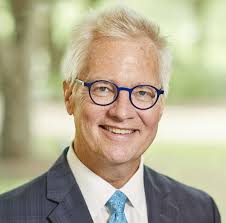
 Ryan Bradley, ND, MPH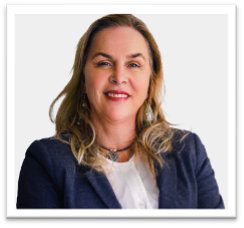
 Ari Calhoun, ND, FMAPS
 Nicqui Grant, RD(SA), IFNCP