> Integrative Science, Innovation, and the Future of Health Research
October 17-18, 2026
This two-day conference brings together researchers, clinicians, and trainees to explore brain health, aging, and the evolving role of complementary and integrative health (CIH) in advancing research and clinical practice. Day 1 focuses on the science of brain health, featuring a range of perspectives on Alzheimer’s disease, metabolic and lifestyle approaches, natural products, mind–body therapies, and neurological resilience, all framed through a translational lens and culminating in a forward-looking discussion on the future of the field. Day 2 shifts to the people and pipeline behind the science, highlighting the contributions of naturopathic physicians in research through institutional perspectives and student-led panels that showcase emerging work and real-world experiences. Across both days, structured networking, interactive discussions, and collaborative sessions are designed to spark new partnerships, generate innovative research ideas, and catalyze next steps in training, funding, and interdisciplinary team science.
Confirmed Speakers:
Kevin Duff, PhD
Dominic D'Agostino, PhD
Christine McClure, ND, MS
Ben Zimmerman, PhD
Lita Buttolph, PhD, DAOM
Joshua Goldenberg, ND, PhD Candidate
Jeff Kaye, MD
Monique Aucoin, ND, MSc
Jeffrey Langland, Phd
Jocelyn Faydenko, ND, DC, MS
Erin Sweet, ND, MPH, FABNO
CE Credits:
7.5 PDA points pendingvia NCCAOM (National Certification Commission for Acupuncture and Oriental Medicine)
NUNM is accredited by the North American Naturopathic Continuing Education Accreditation Council (NANCEAC). This activity qualifies for a total of 7.5 General CEUs
Webinar Details:
This fully online virtual event will be hosted through Zoom
Recordings of all conference presentations are provided for attendees at no additional cost
Recordings can be viewed for credit after the event if you do not attend live
Early Bird Deadlines:
9/04/2026: all prices listed below increase by $50
10/02/2026: all prices listed below increase by an additional $25
Saturday, October 17
9:15 - 10:00 AM
"Aging, Brain Health, Alzheimer’s and the Role of Lifestyle & Systems Approaches"
Kevin Duff, PhD
10:00 - 10:45 AM
"Pain and Alzheimer’s Disease: Implications for Cognition, Care, and Caregiving"
Christine McClure, ND, MS
10:45 - 11:00 AM
BREAK
11:00 - 11:45 AM
"Metabolic Therapeutics, Ketones, and Brain Energy"
Dominic D’Agostino, PhD
11:45 AM - 12:30 PM
"Brain Oxygen, Centella, and Cognitive Aging"
Ben Zimmerman, PhD
12:30 - 1:30 PM
LUNCH
1:30 - 2:15 PM
"QiGong for Neurological Health and Multiple Sclerosis"
Lita Buttolph, PhD, DSOM, MS, LAc
2:15 - 3:30 PM
"Using a Virtual Evidence-Synthesis Ecosystem to Advance Complementary and Integrative Health Training and Research in Traumatic Brain Injury"
Josh Goldenberg, ND
Sunday, October 18
9:15 - 10:00 AM
"Can What We Eat Help Reduce Anxiety?"
Monique Aucoin, ND, MSc
10:00 - 11:00 AM
BREAK
11:00 - 11:45 PM
"In vitro Evaluation of Botanicals and Fungi for Improving Cognitive Health"
Jeffrey Langland, PhD
11:45 AM - 1:30 PM
LUNCH
1:30 - 2:15 PM
"Naturopathic Management Approaches for Chronic Pain: An Assessment of ND Clinician Perspectives"
Jocelyn Faydenko, ND, DC, MS
2:15 - 3:00 PM
"Integrative Oncology in Advanced Cancer: Clinical Practice Patterns, Outcomes, and the Emerging Evidence Base"
Erin Sweet, ND, MPH, FABNO
Kevin Duff, PhD
"Aging, Brain Health, Alzheimer’s and the Role of Lifestyle & Systems Approaches"
0.75 General (Total 0.75 CE)
Although there are currently multiple disease modifying treatments for Alzheimer’s disease that clear amyloid from the brain of these patients, the effect of these interventions on clinical outcomes remains modest. Conversely, lifestyle interventions, including physical exercise, cognitive stimulation, and social engagement, may offer more demonstrable benefits to the brain and cognition in older adults. These have been documented in large scale clinical trials (e.g., FINGER, US POINTER). The current presentation will review these and related studies to demonstrate the potential value of these low-risk, low-cost treatment options for older adults with and without cognitive impairment as a method of slowing or preventing Alzheimer’s disease and related dementias.
Bio: Dr. Kevin Duff specializes in neuropsychology at OHSU's Oregon Alzheimer's Disease Research Center to try and help patients with brain diseases appreciate the strengths and weaknesses in their thinking skills. Although much of his practice focuses on working with older adults, he sees patients ages 18+. In addition to evaluating patients and their thinking skills, he does research on cognitive disorders in later life (e.g., Alzheimer’s disease), including how we best diagnose and treat these conditions.
Dr. Duff is a recent transplant to Oregon after spending 13 years practicing in Utah. When not at work, he spends time with his family learning about their beautiful new surroundings in the Pacific Northwest.
Christine McClure, ND, MS
“Pain and Alzheimer’s Disease: Implications for Cognition, Care, and Caregiving”
0.75 General (Total 0.75 CE)
Pain and cognitive impairment frequently coexist in older adults, yet pain may be underrecognized and undertreated as cognitive impairment progresses. At the same time, growing evidence suggests that chronic pain is associated with poorer cognitive outcomes and may interact with factors relevant to Alzheimer’s disease and related dementias, including sleep disturbance, mood, physical activity, inflammation, autonomic function, and medication exposure. These relationships are complex and likely bidirectional.
This presentation will review current evidence on the relationship between pain and Alzheimer’s disease, including how cognitive impairment can alter pain reporting and expression and how persistent pain may affect cognition, behavior, and function. Particular attention will be given to the role of caregivers in recognizing changes in pain, behavior, activity, and function when self-report becomes less reliable. The presentation will also consider the reciprocal effects of pain and caregiving, including how poorly controlled pain and dementia-related symptoms may contribute to caregiver burden, disrupted sleep, and challenges with care.
Practical strategies for integrating patient self-report, behavioral observation, caregiver input, and functional changes into pain assessment will be discussed, along with multimodal approaches to pain management that balance the consequences of undertreated pain with medication-related risks in older adults. Emerging research examining pain, sleep, autonomic function, cognitive decline, and caregiver health will be highlighted as potential opportunities for earlier recognition and intervention.
Bio: Christine McClure, ND, MSCR, is a postdoctoral researcher at Oregon Health & Science University whose research focuses on the intersection of pain, aging, cognition, sleep, autonomic function, and caregiver health. She earned her Doctor of Naturopathic Medicine and Master of Science in Clinical Research degrees from the National University of Natural Medicine and completed postdoctoral research training at OHSU through programs supported by both the National Center for Complementary and Integrative Health and the National Institute on Aging.
Her current work examines how pain interacts with sleep, autonomic function, and cognitive decline, as well as how pain and caregiving affect the health and well-being of older adults and their care partners. Her research includes longitudinal home-based monitoring, caregiver-focused behavioral interventions, and studies aimed at improving the recognition and management of pain in aging populations. Dr. McClure is also a Clinical Investigator at NUNM and an Associate Editor for the Journal of Alzheimer’s Disease. Her long-term research goal is to develop clinically useful approaches to identifying and treating pain that preserve function and quality of life for both older adults and their caregivers.
Dominic D’Agostino, PhD
“Metabolic Therapeutics, Ketones, and Brain Energy”
0.75 General (Total 0.75 CE)
Aging erodes the brain’s bioenergetic reserve: cerebral glucose utilization, mitochondrial efficiency, neurovascular coupling, and antioxidant capacity decline, and this loss of metabolic resilience converges with impaired gait and balance to make falls the leading cause of traumatic brain injury (TBI) in older adults. Fatality after TBI is roughly four-fold higher in adults over 75, and injuries graded “moderate” by Glasgow Coma Scale often behave like severe injury — a mismatch reflected in the 2025 Lancet Neurology CBI-M framework, which elevates modifiers such as frailty and metabolic health to a core pillar.
This keynote examines the neurometabolic crisis that follows injury: an acute hyperglycolytic surge followed by sustained regional glucose hypometabolism, mitochondrial dysfunction, oxidative stress, and neuroinflammation. Because ketone bodies are oxidized downstream of glycolysis and pyruvate dehydrogenase, ketogenic metabolic therapy, including diets, medium-chain triglycerides, or exogenous ketones, can supply an alternative cerebral fuel when glucose oxidation is constrained, while β-hydroxybutyrate independently suppresses NLRP3-mediated inflammation, inhibits histone deacetylases, supports GABAergic tone, and lowers reactive oxygen species. Preclinical neuroregeneration data and early Phase 1 feasibility work in TBI will be reviewed alongside adjuncts targeting energy restoration: creatine, omega-3 fatty acids, mitochondrial-targeted antioxidants, and hyperbaric oxygen.
The session closes with a practical monitoring framework: real-time glucose and ketone tracking; acute and chronic CNS biomarkers (GFAP, UCH-L1, S100B, NSE; tau, neurofilament light); and modifiable markers including HbA1c, hsCRP, DHA/EPA status, B12, organic acid metabolomics, and oxidative stress. The aim is to identify each patient’s modifiable metabolic constraints and personalize interventions. Much of this evidence is emerging and many applications remain investigational; the framework informs clinical reasoning rather than prescribing a protocol.
Bio: Dominic P. D’Agostino, PhD, is a tenured Associate Professor in the Department of Molecular Pharmacology and Physiology at the University of South Florida Morsani College of Medicine, where he teaches medical neuroscience, physiology, neuropharmacology, and nutrition, and mentors graduate and medical trainees. His research program focuses on metabolic and nutritional strategies that support brain and systemic resilience across aging, neurological injury, and chronic disease, including work on oxidative stress, mitochondrial function, metabolomics, and performance physiology.
He is also a Senior Visiting Research Scientist at the Institute for Human and Machine Cognition, collaborating on projects aimed at optimizing human performance, safety, and recovery in extreme environments. His laboratory’s work on ketone metabolic therapy has been supported by the Office of Naval Research, NAVSEA, the Department of Defense, and the NIH, and he is an inventor on multiple USF-owned patents covering ketone molecules and their therapeutic applications. In addition to academic research, he has participated in NASA extreme environment missions (NEEMO) and works with multidisciplinary teams spanning clinical medicine, metabolic health, resilience, and operational physiology.
At the Helfgott Research Institute Conference, Dr. D’Agostino will present a research- and clinical-based framework for brain energy metabolism in aging and injury, integrating ketone metabolic therapy and adjunctive strategies with practical biomarker and metabolomic testing to identify modifiable constraints and personalize interventions.
Ben Zimmerman, PhD
“Brain Oxygen, Centella, and Cognitive Aging”
0.75 General (Total 0.75 CE)
Cognitive aging is often framed primarily as a problem of neurons, yet neuronal function depends on a vascular system that continuously matches cerebral blood flow and oxygen delivery to metabolic demand. Aging can alter resting cerebral blood flow, cerebrovascular reactivity, and neurovascular coupling. These changes may contribute to cognitive decline and increase vulnerability to both vascular and neurodegenerative disease. This presentation will define these interrelated aspects of cerebrovascular physiology and explain how they can be measured in human and preclinical research.
Centella asiatica, also known as gotu kola, is a botanical medicine traditionally associated with cognitive health. This session will use C. asiatica as a case study in rigorous translational complementary and integrative health research. Preclinical evidence and ongoing translational studies will be considered in relation to oxidative stress, vascular signaling, cerebral perfusion, and cognitive resilience. The presentation will highlight the importance of standardized extracts, pharmacokinetics, MRI measures of cerebral blood flow and cerebrovascular reactivity, peripheral vascular testing, and target-engagement trial designs. Participants will leave with a framework for distinguishing biological plausibility from demonstrated clinical benefit and for identifying the evidence needed to determine whether a botanical intervention can meaningfully support cerebrovascular and cognitive health in aging.
Bio: Benjamin Zimmerman, PhD, is a postdoctoral research investigator at the Helfgott Research Institute at the National University of Natural Medicine and in the Department of Neurology at Oregon Health & Science University. He earned his PhD in neuroscience from the University of Illinois at Urbana-Champaign, where he investigated how cerebrovascular health shapes cognitive aging. His work combines human neuroimaging, vascular physiology, and preclinical models to study modifiable contributors to age-related cognitive decline. His current translational research focuses on Centella asiatica and its potential effects on brain and vascular health, with an emphasis on rigorous botanical characterization and physiological target engagement.
Lita Buttolph, PhD, DSOM, MS, LAc
"QiGong for Neurological Health and Multiple Sclerosis"
0.75 General (Total 0.75 CE)
Qigong is an ancient Chinese mind-body practice that combines movement, breathwork, relaxation, and focused attention. It is increasingly being studied as a complementary approach for people with neurological conditions. This presentation provides an overview of what is currently known about qigong and related mind-body movement practices, with particular attention to multiple sclerosis (MS). Research across several neurological conditions suggests that qigong may benefit physical, cognitive, and emotional health. For example, studies in Parkinson’s disease have reported improvements in balance, walking, and motor symptoms. Studies in older adults with cognitive impairment suggest potential benefits for memory, attention, executive function, and overall cognitive performance. There is also growing interest in how qigong and related practices may influence stress, inflammation, autonomic regulation, and other biological pathways relevant to neurological health.
The evidence in MS is much more limited. A small feasibility study of community qigong found that people with MS generally could participate, and participants reported improvements in areas such as energy, sleep, flexibility, mobility, and quality of life. More recent reviews of mind-body movement interventions in MS suggest possible benefits for balance and depression, although findings for fatigue, physical function, and quality of life have been mixed. Importantly, the overall certainty of the evidence remains low, and there have been few well-designed clinical trials specifically testing qigong in people with MS.
Overall, qigong appears to be a promising and accessible complementary approach for supporting neurological health, with the strongest evidence currently related to balance, motor function, cognition, and mood. For MS, the evidence is encouraging but still preliminary. Larger, more rigorous studies are needed to determine who is most likely to benefit, which outcomes are affected, and how best to incorporate qigong into comprehensive neurological care. This presentation will highlight what we know, where the evidence is strongest, and the important gaps that remain for future research.
Bio: Dr. Lita Buttolph, PhD, DSOM, MS, LAc, is a Research Investigator and Adjunct Faculty at the National University of Natural Medicine, a Licensed Acupuncturist, and Qigong Instructor in Portland, Oregon. Her passion for research began through her studies and work in ecology and natural resource management, and later in human health. Dr. Buttolph has practiced Qigong, an ancient Chinese mind-body movement art, since 1999 and has taught Qigong to all ages and abilities since 2005. She has been conducting research in Complementary and Integrative Health since 2013. Her research interests include understanding the effects of mind-body practices on healthy individuals and those with chronic conditions. Dr. Buttolph's current research includes investigating the effects of Qigong and Tai Chi for multiple sclerosis. Her work bridges traditional healing practices and rigorous scientific research, reflecting a strong commitment to integrative approaches to health and well-being.
Josh Goldenberg, ND
0.75 General (Total 0.75 CE)
"Using a Virtual Evidence-Synthesis Ecosystem to Advance Complementary and Integrative Health Training and Research in Traumatic Brain Injury"
Traumatic brain injury (TBI) can result in diverse and persistent neurological, cognitive, psychological, endocrine, and pain-related sequelae, yet the evidence available to guide care—including complementary and integrative health (CIH) approaches—is often fragmented and variable in methodological quality. At the same time, trainees in CIH professions frequently have limited access to longitudinal research mentorship and advanced evidence-synthesis training. The Neurotrauma Evidence Synthesis Training (NEST) program was developed to address these linked challenges by simultaneously strengthening the neurotrauma evidence base and building research capacity among clinicians and healthcare trainees.
NEST, now embedded within the broader Comprehensive Research Evidence Synthesis Training (CREST) ecosystem, integrates systematic review and meta-analysis methods training, expert-led education in TBI and its sequelae, and longitudinal participation in real evidence-synthesis projects. Trainees learn through asynchronous modules, live Evidence Synthesis Labs, clinical seminars, and multilevel mentorship while working within cross-institutional research teams. To date, the program has enrolled 35 mentees and generated approximately 20 registered evidence-synthesis projects, with seven published papers, all achieving high methodological quality.
The AcuCREST project specifically illustrates how this infrastructure can directly support CIH research. Following NUNM's invitation to participate as a proposed site in a multisite R01 trial of acupuncture for post-traumatic headache, the CREST/NEST network was mobilized to rapidly synthesize evidence regarding Traditional Chinese Medicine diagnostic categories relevant to the planned intervention. The resulting evidence informed expert-panel deliberations and development of the clinical trial protocol. The project also brought together deans and students from three Chinese medicine schools, simultaneously expanding research capacity and disciplinary collaboration. That work has subsequently developed into a standalone systematic review of Traditional Chinese Medicine approaches to post-traumatic headache, currently in the protocol phase.
This presentation will use NEST and AcuCREST to demonstrate how a virtual evidence-synthesis ecosystem can link CIH education, evidence generation, interdisciplinary collaboration, and prospective clinical research. Finally, we will discuss the next stage of this model, including development of a formal Brain Injury Medicine and a Systematic Review Certificate programs.
Bio: Joshua Goldenberg, ND, PhD(c), is a clinician-scientist and Director at the Helfgott Research Institute at the National University of Natural Medicine. His research focuses on evidence synthesis, complementary and integrative health, neurotrauma, and forensic epidemiology. He directs the Comprehensive Research Evidence Synthesis Training (CREST) program, a cross-institutional training and methods hub that includes the Neurotrauma Evidence Synthesis Training (NEST) program. Dr. Goldenberg has published research in journals including JAMA, The BMJ, Annals of Internal Medicine, and the Cochrane Library. He is also a co-founder of Brain Injury Research Solutions and a PhD candidate in Forensic Epidemiology at Maastricht University, where his work focuses on evidence-based approaches to causal inference in medicolegal settings, especially brain injury. His work emphasizes rigorous, reproducible evidence synthesis and development of the next generation of clinician-researchers.
Monique Aucoin, ND, MSc
“Can What We Eat Help Reduce Anxiety?”
0.75 General (Total 0.75 CE)
Can dietary counselling and healthy dietary patterns improve mental health? This lecture will explore the emerging evidence linking nutrition with anxiety and depression, including a closer look at the EASe-GAD randomized trial of dietary counselling and omega-3 supplementation for generalized anxiety disorder. We’ll examine what the broader evidence tells us about dietary interventions and mental health and discuss practical strategies that can be used to implement diet change in clinical practice.
Clinical evidence suggests that nutrition interventions can significantly improve symptoms of major depressive disorder; however, the effect on clinical anxiety symptoms in individuals with anxiety disorders has not been studied. The primary objective of the present study was to assess the feasibility and acceptability of a nutrition intervention. The secondary objectives included assessing changes in anxiety symptom severity, diet quality, self-efficacy, mindful eating, quality of life, and biomarkers.
Methods: This study was a randomized, wait-list controlled pilot trial delivering a 12-week, biweekly dietary counseling intervention and omega-3 supplementation to 50 adult women with generalized anxiety disorder. Questionnaires and blood work were completed at baseline, after the waiting period, and after the intervention.
Results: 443 individuals expressed interest within eight months; 50 met the criteria for enrollment. The mean number of sessions attended was 6.4. Final questionnaires were completed by 46 participants. Eighty-four percent of participants strongly agreed with the statement ‘My experience during this study was positive’. The mean anxiety symptom severity score in the intervention group was 26.2 (95% CI 22.94–29.48) at baseline and 11.0 (95% CI 8.05–13.87) at week 12. The mean diet quality score was 7.2 (95% CI 6.32–8.10) and 10.5 (95% CI 9.55–11.49) at baseline and week 12, respectively. Among the waitlist participants, the mean baseline anxiety score was 29.3 (95% CI 24.73–33.91) and 26.8 (95% CI 22.09–31.56) at week 12.
Discussion: This study was feasible and acceptable. Participation in the intervention was associated with a decrease in anxiety symptoms. These findings lay the foundation for large-scale studies.
Bio: Dr. Monique Aucoin, ND, MSc., is a naturopathic doctor and senior research fellow at the Canadian College of Naturopathic Medicine. She is an adjunct professor at the University of Guelph in the Department of Human Health and Nutritional Sciences. Her clinical practice and research work are focused on the role of diet and nutrition in the treatment of mental illness.
She recently led the world’s first randomized controlled trial studying the effects of diet on the symptoms of generalized anxiety disorder. She is also a Canadian leader in researching the role of evidence in naturopathic practice and in designing and delivering educational programs to increase the skills of NDs in this area. Monique Aucoin, ND, MSc., is an instructor at CCNM, a board member of INCAM research network and a review editor for the Journal Frontiers in Nutrition.
Jeffrey Langland, PhD
"In vitro Evaluation of Botanicals and Fungi for Improving Cognitive Health"
0.75 General (Total 0.75 CE)
Botanicals and fungi have played a foundational role in human health care, serving as the primary source of therapeutics in ancient medical systems. With the rise of modern chemistry in the 18th and 19th centuries, the isolation of active plant compounds, such as morphine from opium poppy, quinine from cinchona bark, and digoxin from foxglove, established botanicals as the basis for many modern pharmaceuticals and laid the groundwork for natural products drug discovery. Today, renewed scientific interest in botanicals reflects their complex, multi-compound nature and ability to act on multiple biological pathways, particularly in chronic and multifactorial conditions like stress/anxiety and cognitive decline. Many plant-derived compounds exhibit antioxidant, anti-inflammatory, and neuroprotective properties that may support brain health. Botanicals and fungi such as Panax ginseng, Bacopa monnieri, Curcuma longa, and Hericium erinaceus have shown potential in supporting memory, attention, stress/anxiety and overall cognitive resilience. This presentation will discuss the characterization of botanical/fungi extracts and their effect on neuronal gene expression, inflammation, and antioxidant activity. Botanicals and fungi continue to represent a promising avenue for developing multi-targeted approaches to cognitive health.
Bio: Dr. Jeffrey Langland, Ph.D., received his doctorate degree from Arizona State University in the area of virology in December 1990. His area of interest at that time and still today is investigating and understanding the complex cellular defenses and immune responses against microorganisms. After graduating from Arizona State University, he was a post-doctoral fellow at University of California Davis studying oncolytic viruses, followed by a post-doctoral position at the University of Wyoming comparing similarities between plant and human defenses against viruses. In 1995, he returned to Arizona State University as a Research Assistant Professor. In this capacity he instructed several courses including General Virology and The Biology of AIDS. In August 2007, Dr. Langland became a joint faculty member at Southwest College of Naturopathic Medicine, now Sonoran University of Health Sciences, as the instructor for Medical Microbiology, Immunology, and Concepts in Research courses. At Sonoran University, Dr. Langland mentors students in evidence-based botanical medicine research and training Residents in the preparation of case studies. As Chair of the Research Department, and Research Director of the Ric Scalzo Institute for Botanical Research, Dr. Langland brings new insight and a cutting-edge approach to research for students and to the field of naturopathic medicine. Dr. Langland is currently involved in various projects characterizing the activity and mechanism of action of various botanicals towards viruses (including pox, herpes, varicella-zoster, HPV, rhinovirus, zika, ebola, SARS), bacteria (including MRSA, lyme disease, antibiotic-resistant strains, plague, and others), immune regulation and inflammation, cancer, cognitive health, and skin health.
Jocelyn Faydenko, ND, DC, MS
“Naturopathic Management Approaches for Chronic Pain: An Assessment of ND Clinician Perspectives”
0.75 General (Total 0.75 CE)
Results from a survey assessing how naturopathic providers approach and treat chronic pain cases will be presented. These results will be used to inform a pragmatic trial investigating the effectiveness of naturopathic care in managing chronic pain, with a specific focus on constitutional hydrotherapy.
Bio: Jocelyn Faydenko, ND, DC, MS, is a research faculty member at National University of Health Sciences (NUHS) and recently completed a master's in biostatistics at the University of Illinois Chicago (UIC). She has been involved in research projects at NUHS, UIC, and the RAND REACH Center, including a longitudinal clinical trial examining the impacts of group antenatal care, a cross-sectional study examining working conditions among complementary and integrative health providers, and a mixed-methods study assessing naturopathic approaches and training in evidence-informed practice skills. She is also an educator for both NUHS and the University of Western States (UWS), teaching classes related to evidence-based practice, research methodology, and public health. Her clinical research interests focus on whole-person and family-based approaches to health promotion and behavior change, with an emphasis on nutrition, exercise, and mental health. She is also passionate about exploring gamification as an innovative modality to enhance health outcomes.
Erin Sweet, ND, MPH, FABNO
"Integrative Oncology in Advanced Cancer: Clinical Practice Patterns, Outcomes, and the Emerging Evidence Base"
0.75 General (Total 0.75 CE)
Integrative oncology is a patient-centered, evidence-informed component of cancer care, and naturopathic physicians play an important role in its delivery. This session will review real-world evidence and practice patterns relevant to naturopathic oncology, with emphasis on the research at Bastyr University and related outcomes literature, to clarify the current evidence base and its implications for clinical practice and future research.
Bio: Erin Sweet is an associate clinical scientist and co-director of the Office of Research Integrity at Bastyr University and teaches courses on research methods and public health. She earned her Doctor of Naturopathic Medicine (ND) from Bastyr University and a Master of Public Health (MPH) in epidemiology from the University of Washington. She completed her residency training at the National University of Natural Medicine followed by a 3-year NIH postdoctoral research fellowship. Her clinical expertise is in integrative oncology and she is a Fellow of the American Board of Naturopathic Oncology (FABNO).
Sweet’s research focuses on studying the effects of integrative oncology on health-related quality of life and clinical outcomes in people living with cancer, along with educational program development and clinical research training in complementary and integrative medicine.
In addition to her research, she is the chair of Bastyr University’s University Research Committee, a member scientist of the RAND REACH Center and RAND REACH Scholar. She serves on the Institute of Natural Medicine Research Committee and is a board member of the American Board of Naturopathic Medical Examiners. Dr. Sweet also serves on the Washington State Health Technology Clinical Committee, which is charged with making insurance coverage determinations for selected health technologies based on the available scientific evidence.
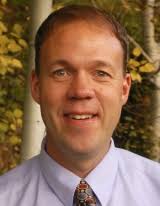 Kevin Duff, PhD
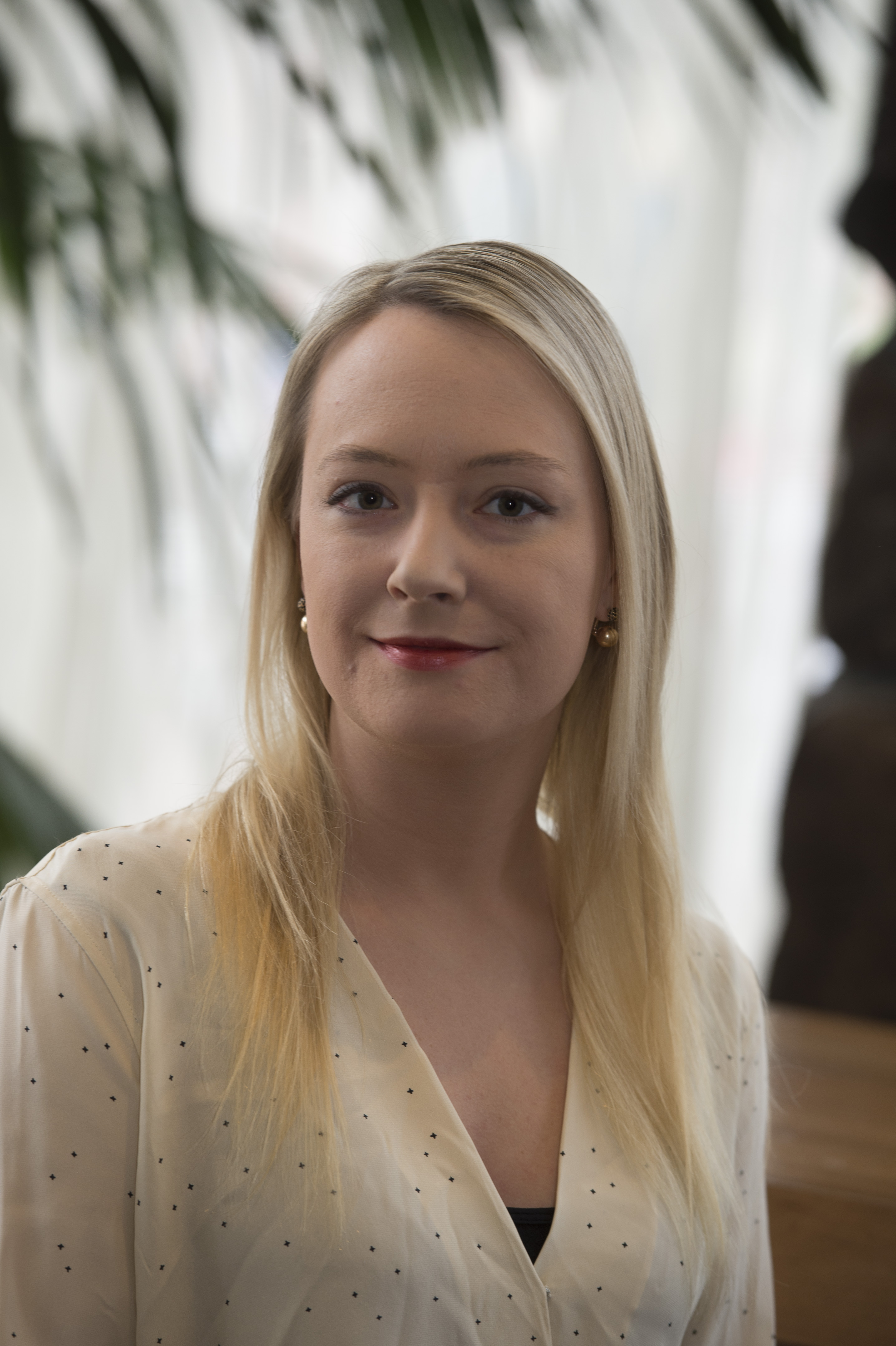 Christine McClure, ND, MS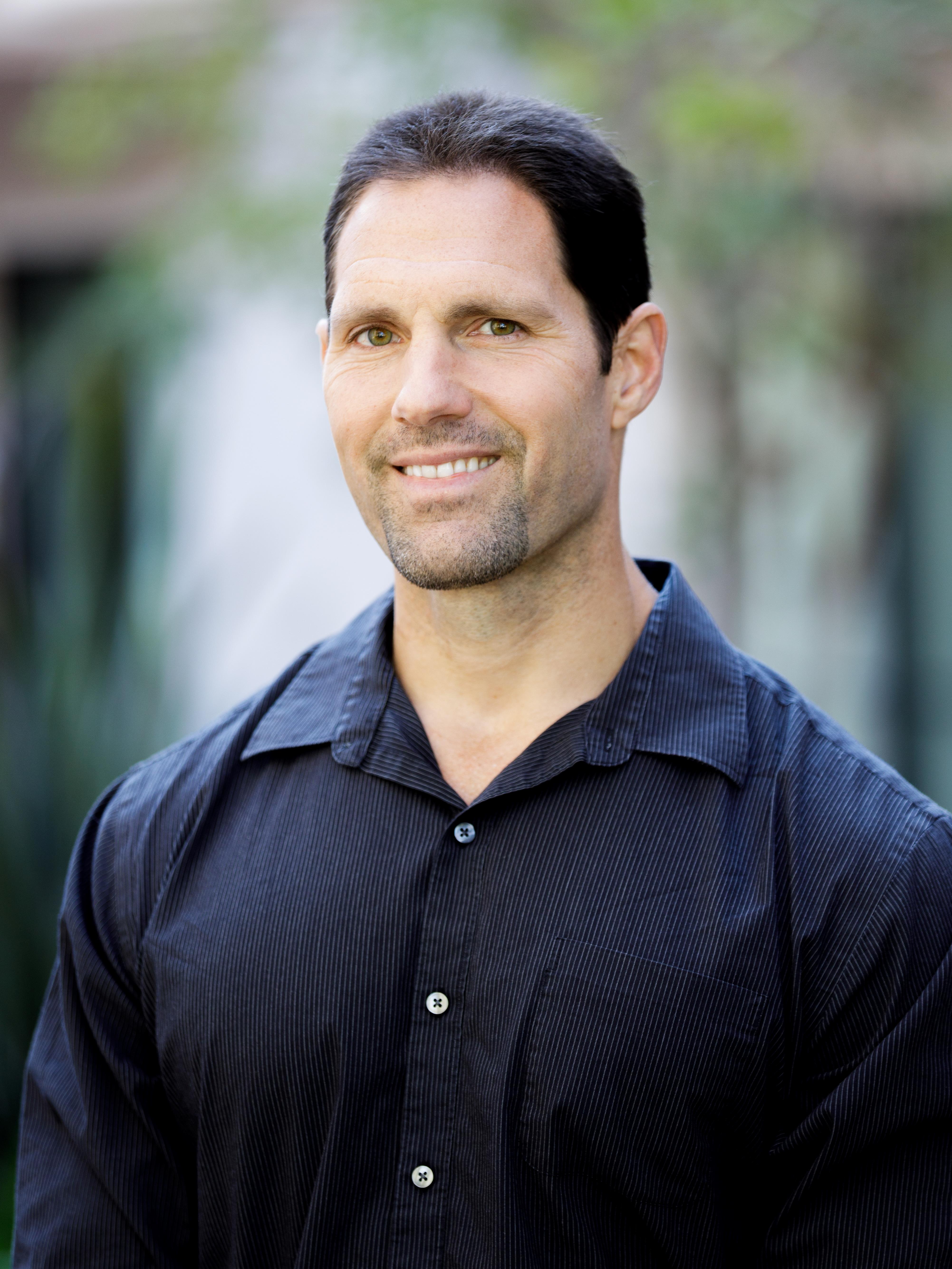
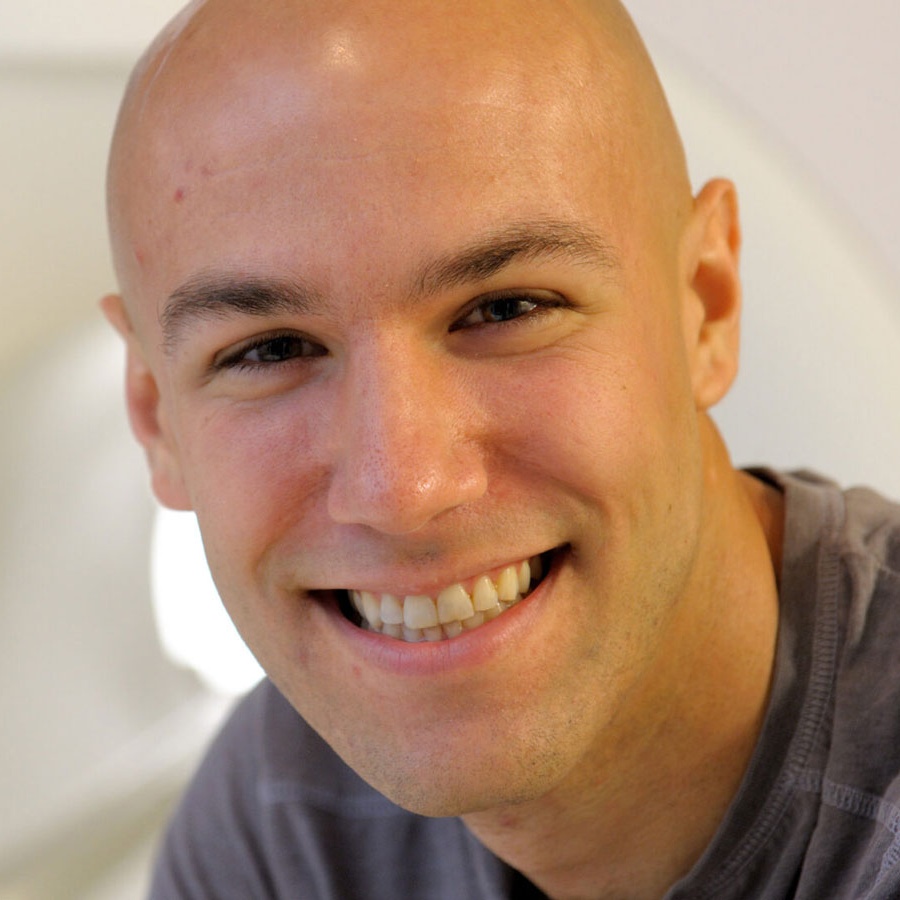 Ben Zimmerman, PhD
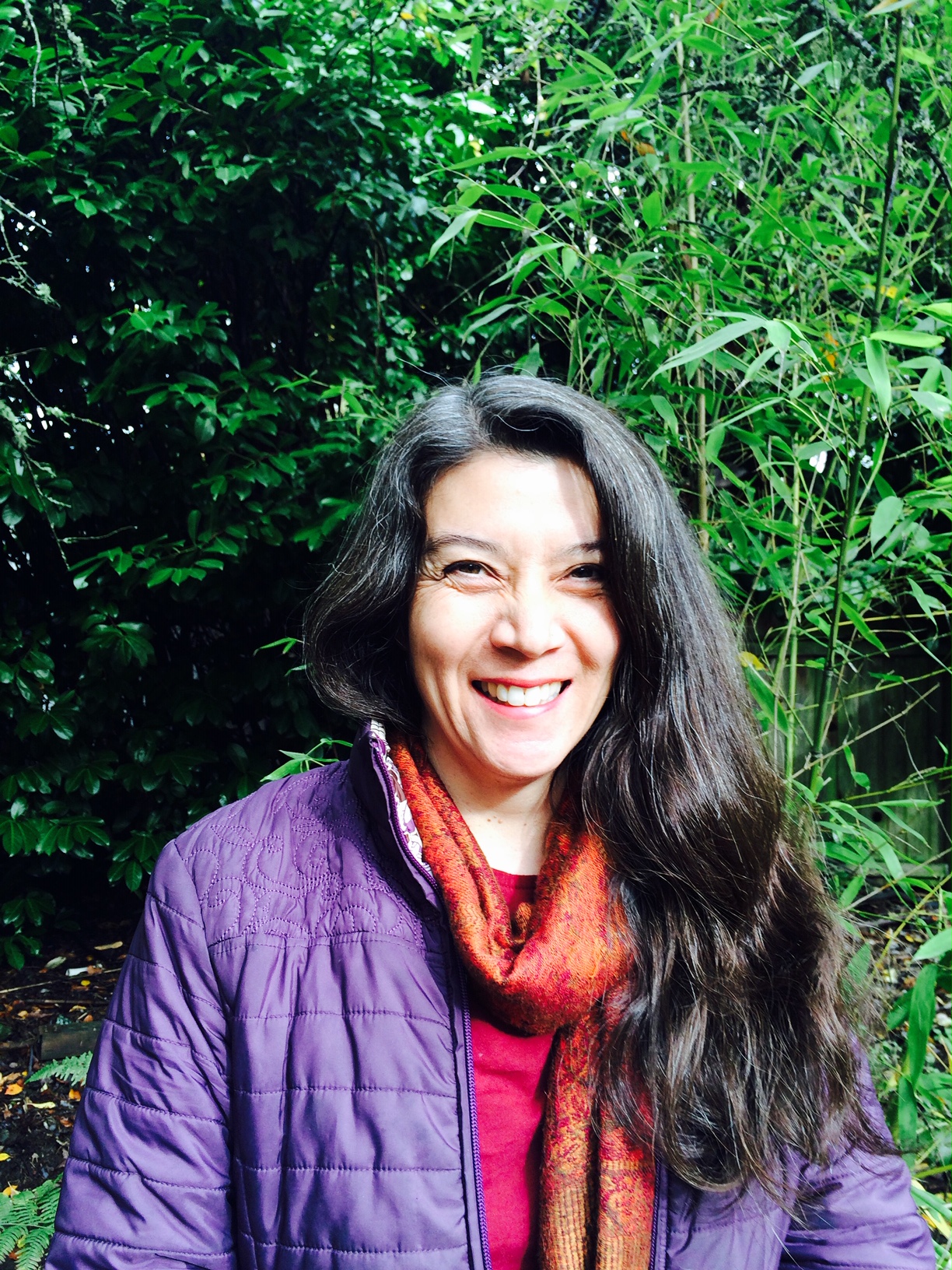 Lita Buttolph, PhD, DSOM, MS, LAc
 Josh Goldenberg, ND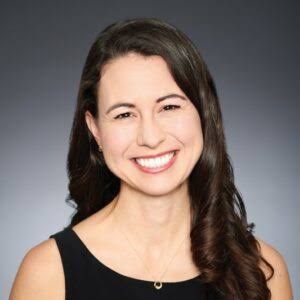
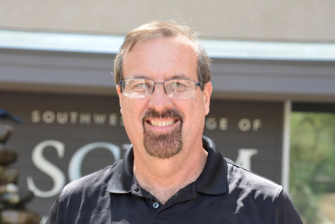
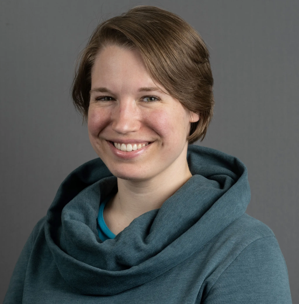 Jocelyn Faydenko, ND, DC, MS
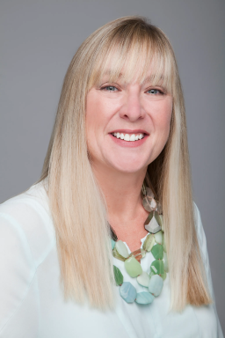 Erin Sweet, ND, MPH, FABNO