> EndoRX: Integrative Approaches to Endocrinology and Metabolic Medicine
April 10 - 11, 2027
Join leading endocrinologists and healthcare professionals for an in-depth exploration of the latest advances in hormone therapies and endocrine care. This conference covers GLP therapies, osteoporosis medications, thyroid management, adrenal and reproductive hormone interactions, cortisol testing, estrogen and testosterone optimization, bioidentical hormone therapy, and oncology-related endocrine treatments.
Attendees will gain practical, evidence-based strategies to optimize patient outcomes, navigate complex hormonal imbalances, and integrate cutting-edge therapies into clinical practice. Walk away with actionable insights to advance your expertise in modern endocrinology.
Confirmed Speakers:
John Neustadt, ND
Brice Thompson, ND, MS
Leanna Standish, ND, PhD, LAc, FABNO
Shawn Soszka, ND, LAc, FABNE
Haylee Nye, ND, MScN
LIz Bartman, ND
Andrew Neville, ND
Stephanie Venn-Watson, DVM, MPH
CE Credits:
12 PDA points pendingvia NCBAHM (National Certification Board for Acupuncture and Herbal Medicine)
NUNM is accredited by the North American Naturopathic Continuing Education Accreditation Council (NANCEAC). This activity qualifies for a total of 2.5 General, 9.25 Pharmacology, 0.25 Ethics (12.0 Total CEUs)
Webinar Details:
This fully online virtual event will be hosted through Zoom
Recordings of all conference presentations are provided for attendees at no additional cost
Recordings can be viewed for credit after the event if you do not attend live
Early Bird Deadlines:
02/26/2027: all prices listed below increase by $50
03/26/2027: all prices listed below increase by an additional $25
Saturday, April 10, 2027
9:00 - 10:30 AM
"Testosterone in Women: Emerging Evidence, International Lessons, and Clinical Application"
Liz Bartman, ND
10:30 - 11:00 AM
BREAK
11:00 - 12:30 PM
"Osteoporosis Pharmaceutical Management: Benefits, Risks, and Real-World Results"
John Neustadt, ND
12:30 - 1:30 PM
LUNCH
1:30 - 3:00 PM
"Use of Circulating Tumor DNA Testing to Guide Breast Cancer Treatment"
Leanna Standish, ND, PhD, LAc, FABNO
3:00 - 3:30 PM
BREAK
3:30 - 5:00 PM
"Ferroptosis & C15:0 Deficiency: Emerging Roles in MASLD, MASH and Cognitive Decline"
Stephanie Venn-Watson, DVM, MPH
Sunday, April 11, 2027
9:00 - 10:30 AM
"The Evolving Pharmacology of Incretin Receptor Agonists"
Brice Thompson, ND, MS
10:30 - 11:00 AM
BREAK
11:00 - 12:30 PM
"C-Reactive Protein as a Predictive Biomarker in Reproductive Endocrinology & How to Treat"
Haylee Nye, ND, MScN
12:30 - 1:30 PM
LUNCH
1:30 - 3:00 PM
"Personalized Thyroid Pharmacology: Navigating T4, T3, Combination Therapy, and Desiccated Thyroid in Clinical Practice"
Shawn Soszka, ND, LAc, FABNE
3:00 - 3:30 PM
BREAK
3:30 - 5:00 PM
"Beyond Adrenal Fatigue: Understanding and Treating Stress-Response System Dysfunction"
Andrew Neville, ND
Liz Bartman, ND
"Testosterone in Women: Emerging Evidence, International Lessons, and Clinical Application"
1.5 Pharmacology (Total 1.5 CE)
Testosterone is an important hormone in women’s health, yet its physiology has historically been understood largely through the lens of male biology. For decades, much of what we understood about testosterone in women has been extrapolated from research in men, leaving important questions about female-specific androgen physiology, metabolism and clinical effects unanswered. As women’s health research begins to closet this gap, testosterone is increasingly recognized as an important component of female health across the lifespan.
This presentation will explore testosterone as a distinct and clinically relevant hormone in women and will move beyond total testosterone to examine androgen metabolites, tissue specific activity, and the factors that influence testosterone production, utilization, receptor response, and clearance. We will consider the roles of ovarian and adrenal function, metabolic health, liver metabolism, and the gut-hormone connection that can all influence and shape female androgen physiology.
Further, we will examine the evolving therapeutic landscape as it relates to testosterone prescribing in women. While testosterone therapy has evidence-based supported applications, the United States currently offers no FDA-approved testosterone product specifically for female use. By contrast, the UK, Australia, New Zealand and South Africa offer an off-label, MHRA-approved testosterone cream made for women. By examining both the emerging evidence and lessons from international clinical practice, this presentation aims to provide clinicians with a more nuanced understanding of testosterone and its role in women’s health.
Bio: Dr. Liz Bartman is a naturopathic physician and owner of Astrea Family Wellness in Salem, Oregon where she focuses on women’s health, hormone health, epigenetics, and environmental wellness through the lens of nutrigenomics. Her clinical work centers on understanding the biochemical foundations of health to help uncover the “why” behind complex symptoms and develop personalized, evidence-informed approaches to care.
Dr. Liz has extensive experience in hormone and metabolic health, including interpreting thousands of advanced hormone and organic acid panels and consulting with providers around the world on hormone metabolites, bioidentical hormone replacement and nutraceutical and herbal interventions for complex hormone patterns. She brings together systems biology, metabolomics, genetics, nutrition and environmental influences to better understand individual patterns of health and disease.
She is passionate about bridging conventional and functional medicine and empowering healthcare providers with practical, science-based tools to deliver more personalized and sustainable patient care.
John Neustadt, ND
"Osteoporosis Pharmaceutical Management: Benefits, Risks, and Real-World Results"
1.5 Pharmacology (Total 1.5 CE)
The FDA has approved over a dozen osteoporosis medications. Understanding their potential benefits and risks is essential for advising patients and answering their questions. In this talk, Dr. Neustadt reviews these medications, teaches clinicians which are best for primary and secondary fracture prevention, discusses the current research on using these drugs for primary versus secondary osteoporosis, and examines prescribing practices considering medication possession rates, compliance, and the number needed to treat stratified by age. He also reviews the impact of HRT on the bone health and fracture risk of women and men. This talk helps clinicians learn how to discuss these drugs with patients to support informed decision-making.
Bio: John Neustadt, ND, is the Founder and President of the dietary supplement company Nutritional Biochemistry, Inc. (NBI, nbihealth.com) and NBI Pharmaceuticals. Dr. Neustadt founded NBI in 2006 when he couldn’t find products with doses of nutrients shown in clinical trials to work that he needed for his patients. He received multiple US FDA Orphan Drug Designations for potential treatments of rare diseases using natural products through his company, NBI Pharmaceuticals. Dr. Neustadt hosts the Delivering Health podcast and is a member of the Bone Health and Osteoporosis Foundation's Corporate Advisory Roundtable. He has authored four books and over 100 research reviews, earning recognition from Elsevier as a Top Ten Cited Author worldwide for his work. His latest book is Fracture-Proof Your Bones: Expanded and Updated Edition.
Leanna Standish, ND, PhD, LAc, FABNO
“Use of Circulating Tumor DNA Testing to Guide Breast Cancer Treatment”
1.5 Pharmacology (Total 1.5 CE)
The use of DNA sequencing of tumor cells has revolutionized cancer treatment. New breast cancer treatments target specific mutations of each patient for 'personalized care'. Tumors shed tumor cells into the bloodstream, and blood tests, or 'liquid biopsies,' are now commonly used to detect minimal residual disease after primary cancer treatment as well as to detect early cancer recurrence well before a scan can identify a mass. This technology is now in widespread use in treating breast cancer. The gene mutations that drive breast cancer have been identified. Bioflavonoids used in naturopathic oncology can modulate some of the mutated malignant pathways that produce breast tumors. This lecture will describe how to use tumor and circulating DNA tests to help your breast cancer patient select the best targeted therapy, monitor for early microscopic recurrence, and serve as an important new biomarker for clinical research. Using circulating tumor DNA blood testing as a baseline and post-treatment biomarker, we can conduct a 6-week protocol of experimental natural medicine therapy and evaluate its anti-cancer efficacy with a blood test. Several breast cancer IV therapy cases will be discussed.
Bio: Dr. Standish is a neuroscientist and naturopathic physician living and working in Seattle WA. She holds faculty appointments at the University of Washington School of Medicine in the Radiology Department as well as at Bastyr University. She specializes in integrative oncology and neurology. She leads cancer research teams and holds an FDA IND for a phase I clinical trial of ayahuasca, a psychoactive Amazonian tea.
Dr. Standish is board certified in naturopathic oncology. Her research is focused on the Asian medicinal mushroom Trametes versicolor in the treatment of breast and prostate cancer; functional brain imaging in the treatment of brain cancer; and the development of integrative oncology outcomes studies. New projects using IV Resveratrol and IV Curcumin to treat cancer are being developed.
She has provided adjunctive naturopathic medical care to hundreds of cancer patients and has worked collaboratively with Seattle area oncologists to provide integrated conventional/CAM care. A founding board member of the Oncology Association of Naturopathic Physicians, Dr. Standish was board certified in naturopathic oncology in 2006. Her recognition by the oncology community as an expert in naturopathic medicine is evidenced by her being voted one of Seattle’s Best Physicians in the Seattle Metropolitan Magazine in 2002, 2004 and 2008. She has been a member of both the NIH and the Department of Defense study sections for scientific review of CAM research in cancer. Dr. Standish has served as a CAM oncology advisor to MD Anderson Cancer Center.
Stephanie Venn-Watson, DVM, MPH
"Ferroptosis & C15:0 Deficiency: Emerging Roles in MASLD, MASH and Cognitive Decline"
1.5 General (Total 1.5 CEU's)
Ferroptosis is a new form of nonapoptotic cell death discovered by researchers at Columbia University in 2012. Since its discovery, over 20,000 peer-reviewed studies have been published on ferroptosis, which we now know accelerates aging, as well as the onset and severity of metabolic hyperferritinemia, type 2 diabetes, cardiovascular disease, metabolic dysfunction-associated steatotic liver disease (MASLD), MASH, and cognitive decline. Despite urgent calls to action around ferroptosis, metabolic hyperferritinemia, and MASLD, it has been unclear why these conditions seemingly popped up out of nowhere. An unexpected discovery in older Navy dolphins with all three conditions revealed that nutritional deficiencies in C15:0 (pentadecanoic acid) was the reversible cause. Today, over 150 peer-reviewed studies support that this C15:0 deficiency in humans, driven by population-wide decreased dietary intake of full-fat dairy, may be the nutritional deficiency syndrome of our generation. On the encouraging side, increasing studies support that optimized C15:0 levels (matching those of people in Sardinia’s High Longevity Zone) can tap into key longevity pathways to stem the onset of chronic diseases, thus serving as a clinically relevant geroprotector for long-term health and wellness.
Bio: Dr. Stephanie Venn-Watson is co-founder and co-CEO of Seraphina Therapeutics. As a veterinary epidemiologist who has worked for the World Health Organization, DARPA, CDC and the U.S. Navy, Steph has authored over 80 peer-reviewed scientific papers and has over 80 patents. Stephs' discoveries have been featured on NPR Science Friday, BBC, NBC, and National Geographic; and her groundbreaking discoveries around the health benefits of C15:0 are the topic of her recently released best-selling Simon & Schuster book, The Longevity Nutrient. Steph is a recipient of FastCompany's World Changing Idea in Wellness, is an Albert Schweitzer Fellow for Life, and was recently named a 2025 CNBC Changemaker.
Brice Thompson, ND, MS
"The Evolving Pharmacology of Incretin Receptor Agonists"
1.25 Pharmacology, 0.25 Ethics (Total 1.5 CE)
In under two decades, incretin-based therapy has gone from a footnote in gut endocrinology to the most consequential pharmacology story in metabolic medicine. This talk is a mechanistic deep-dive into how these agents work, and why each successive generation works slightly differently. We’ll begin with incretin physiology and GLP-1 receptor signaling, then trace the medicinal chemistry that converted a peptide with a two-minute half-life into a once-weekly injectable and a once-daily oral therapy: DPP-4-resistant substitutions, fatty acid acylation and albumin binding, absorption enhancers, and now non-peptide small molecules. From there we’ll examine the rationale for multi-receptor agonism at GIP, glucagon, and amylin, and what biased signaling at the GLP-1 receptor may contribute. The final third maps receptor distribution onto clinical consequence: the mechanistic basis of gastrointestinal, biliary, thyroid, ophthalmic, and lean-mass adverse effects, interactions driven by delayed gastric emptying, and the regulatory terrain surrounding compounded and direct-to-consumer products.
Bio: Dr. Thompson is an Associate Professor and Clinical Research Investigator at the National University of Natural Medicine (NUNM), where he serves as Dean of Biomedical Sciences within the School of Naturopathic Medicine. His teaching spans the university and includes pharmacology, biochemistry, evidence-informed practice, immunology, genetics, and minor surgery. He also serves as Co-Lead of NUNM's Educational Technology & AI Committee.
Dr. Thompson earned both a Doctor of Naturopathic Medicine (ND) and a Master of Science in Integrative Medical Research from NUNM in 2018. He subsequently completed a postdoctoral fellowship in pharmaceutics at the University of Washington under the mentorship of Yvonne Lin, PhD, supported by an NIH/NCCIH T90 BRIDG training grant.
Prior to transitioning to full-time academia, Dr. Thompson balanced leadership roles in industry, clinical practice, and higher education. From 2022 to 2024, he served as Chief Scientific Officer and Director of Manufacturing at Thaena, Inc., a Portland-based, female-owned microbiome therapeutics company. He also practiced at Flora Medicine, an integrative gastroenterology clinic specializing in fecal microbiota transplantation for patients with recurrent, treatment-resistant Clostridioides difficile infections.
Dr. Thompson's published research spans microbial metabolomics, pharmacokinetics and natural product-drug interactions, the microbiome, nutrition and immunosenescence, and psychedelic-assisted therapy. Across these diverse fields, his work is united by a steadfast commitment to rigorous, quantitative evidence.
Haylee Nye, ND, MScN
“C-Reactive Protein as a Predictive Biomarker in Reproductive Endocrinology & How to Treat”
1.0 General, 0.5 Pharmacology (Total 1.5 CE)
Chronic, low-grade inflammation — as measured by C-reactive protein (CRP) — is increasingly recognized as a disruptor of reproductive endocrine function, not just a downstream marker of metabolic risk. This session takes a mechanistic look at how CRP and its upstream drivers (IL-6, IL-1β, TNF-α) interfere with the hypothalamic-pituitary-ovarian axis: HPA axis dysregulation and glucocorticoid resistance, disruption of ovulatory signaling, and progesterone resistance, along with the modern-day drivers — adiposity, gut dysbiosis, chronic stress, poor sleep, and environmental exposures — that keep CRP chronically elevated in reproductive-age patients.
We'll briefly review the clinical evidence connecting elevated CRP to infertility, ART/IVF outcomes, and pregnancy complications, then spend the majority of the session on treatment: a full pharmacologic review of agents used to lower CRP, including statins, colchicine, bempedoic acid, ezetimibe, omega-3 fatty acids, metformin, low-dose aspirin, and low-dose naltrexone (LDN), with attention to mechanism, comparative effect sizes, and applicability to reproductive endocrinology patients. Lifestyle and botanical/nutraceutical strategies round out the therapeutic picture, giving clinicians a complete, pharmacology-forward framework for addressing CRP in reproductive care.
Bio: Dr. Haylee Nye is a licensed naturopathic doctor and women's health expert with a dual degree in Naturopathic Medicine and Clinical Nutrition from the National University of Natural Medicine (NUNM). She's the founder of Floryn Health, a Portland clinic supporting women in Oregon and Washington through hormonal challenges, fertility struggles, and the full arc of reproductive health, from preconception to perimenopause.
Dr. Nye is known for helping women feel seen, heard, and understood in a system that often leaves them out of the conversation. Her clinical work focuses on conditions like endometriosis, PCOS, infertility, chronic fatigue, gut issues, and cycle irregularities, bringing together evidence-based strategies with holistic, compassionate care.
Shawn Soszka, ND, LAc, FABNE
"Personalized Thyroid Pharmacology: Navigating T4, T3, Combination Therapy, and Desiccated Thyroid in Clinical Practice"
1.5 Pharmacology (Total 1.5 CE)
Thyroid hormone prescribing is often thought of as a simple process of replacing deficient hormone, yet for many patients, symptoms such as fatigue, brain fog, weight concerns, mood changes, and temperature dysregulation continue even with in-range thyroid labs. This 90-minute pharmacology-focused presentation will review the clinical use of levothyroxine, liothyronine, combination T4/T3 therapy, and desiccated thyroid extract in the management of hypothyroidism and Hashimoto’s thyroiditis.
Thyroid medication decisions often look straightforward on paper. In real practice, they are more nuanced. This presentation will examine how to choose and adjust thyroid medications based on the patient’s lab pattern, symptom picture, medication tolerance, absorption factors, drug-nutrient interactions, and safety risks. Special attention will be given to patients who do not respond as expected, in which the issue may be the dose, the formulation, the timing, the conversion pattern, or the broader clinical context.
Bio: Dr. Shawn Soszka is a naturopathic physician and founder of NW Functional Thyroid Clinic in Portland, Oregon. His practice focuses on thyroid disorders, including Hashimoto’s thyroiditis, hypothyroidism, Graves’ disease, and complex endocrine presentations where symptoms, lab patterns, and medication response do not always line up neatly.
He earned his Doctorate from the National University of Natural Medicine in 2000 and a Master of Oriental Medicine in 2001. He has previously taught gastroenterology at NUNM and brings more than 25 years of clinical experience to his work. He is also the award-winning author of The Thyroid Fix.
His clinical approach emphasizes individualized, evidence-informed thyroid care that connects physiology, laboratory interpretation, medication management, immune activity, and the larger endocrine network.
Andrew Neville, ND
"Beyond Adrenal Fatigue: Understanding and Treating Stress-Response System Dysfunction"
1.5 General (Total 1.5 CE)
Adrenal Fatigue has traditionally been described as a state of diminished adrenal function resulting from prolonged or excessive stress. While this model helped clinicians recognize a common and often debilitating pattern of fatigue, poor stress tolerance, sleep disturbance, cognitive dysfunction, and other multisystem symptoms, our understanding of stress physiology has evolved considerably. Rather than viewing these patients through the adrenal glands or cortisol alone, this presentation will explore adrenal fatigue within the broader framework of Stress-Response System Dysfunction (SRSD)—a progressive loss of physiological resilience involving the interconnected neuroendocrine, autonomic, metabolic, immune, and mitochondrial responses to chronic stress and increasing allostatic load.
This systems-based perspective provides a practical framework for understanding the diverse clinical presentation of these patients, their associated endocrine dysfunction, and the limitations of relying on isolated hormone measurements or cortisol patterns for diagnosis and treatment. Attendees will review clinical assessment and differential diagnosis, cortisol testing, and the effects of chronic stress physiology on adrenal, thyroid, gonadal, and metabolic function. Treatment will be approached through naturopathic principles and a hierarchy of therapeutics aimed at reducing physiological load, supporting regulation and restoring adaptive capacity, while examining the appropriate use, mechanisms, limitations, and safety considerations of nutritional and botanical therapies, pregnenolone, DHEA, hydrocortisone, fludrocortisone, and other targeted endocrine interventions.
Bio: Andrew Neville, ND, is a naturopathic doctor with more than 24 years of clinical experience treating patients with Adrenal Fatigue, chronic stress-related illness, and complex multisystem presentations. Over the course of his practice, he has focused on understanding why some patients develop persistent fatigue, poor stress tolerance, sleep disturbance, cognitive dysfunction, orthostatic symptoms, endocrine disruption, and other symptoms that do not fit neatly within a single-organ model.
His work centers on the physiology of chronic stress and adaptation, including the interaction of the HPA axis, autonomic nervous system, neuroendocrine and limbic signaling, metabolic function, and the effects of increasing allostatic load. Rather than viewing Adrenal Fatigue solely as a disorder of the adrenal glands or cortisol production, Dr. Neville approaches it as part of a broader stress-response system dysfunction in which physiological flexibility, tolerance, recovery, and resilience may progressively decline.
In clinical practice, Dr. Neville uses a systems-based, naturopathic approach that combines detailed longitudinal history, differential diagnosis, laboratory assessment, and individualized treatment sequencing. His treatment philosophy emphasizes reducing physiological load, calming excessive reactivity, supporting regulation, and gradually rebuilding adaptive capacity before relying on more targeted endocrine or pharmacologic interventions.
His EndoRX presentation, “Beyond Adrenal Fatigue: Understanding and Treating Stress-Response System Dysfunction,” brings together this clinical framework with current concepts in allostasis, stress physiology, endocrine function, and resilience.
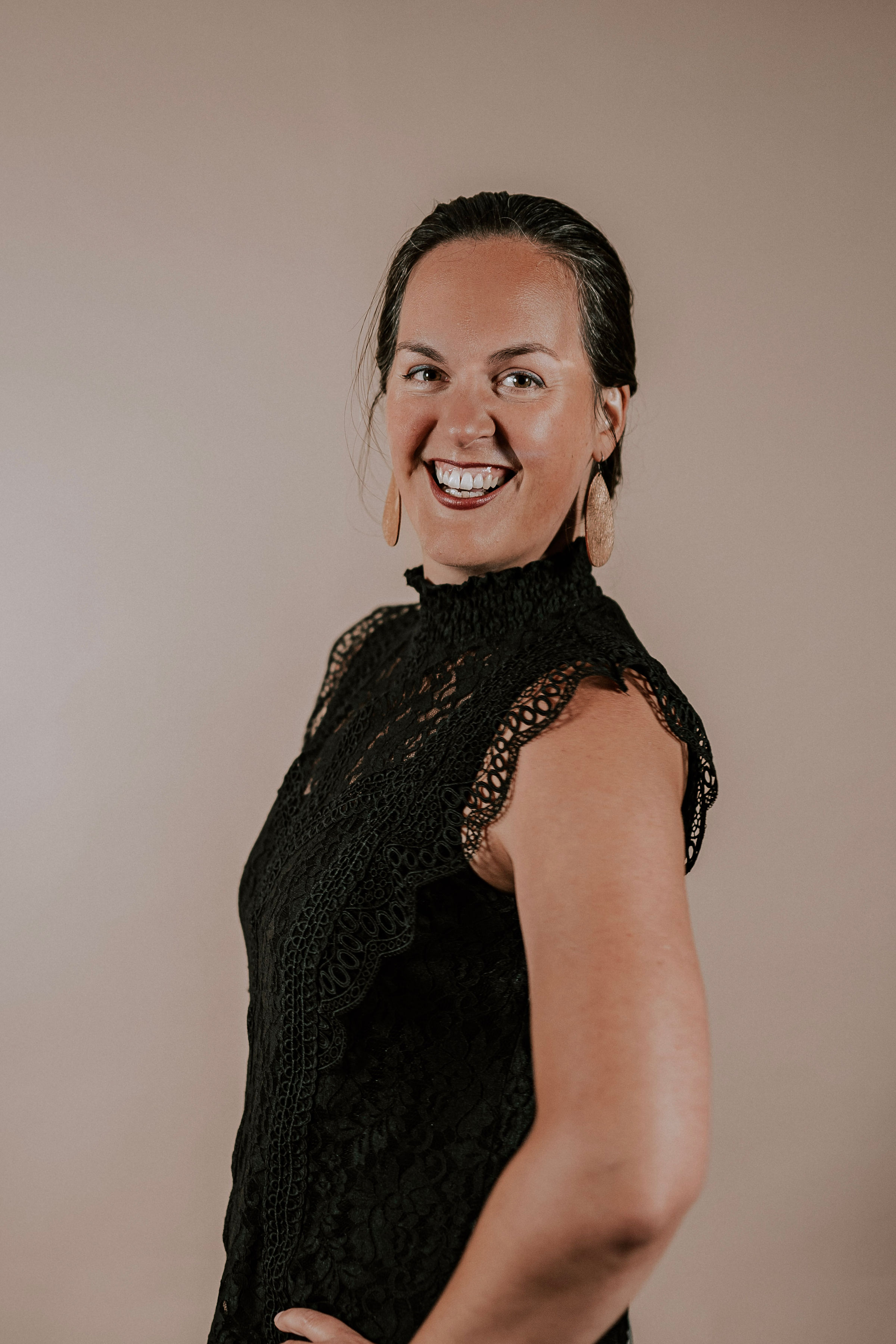 Liz Bartman, ND
 John Neustadt, ND
 Leanna Standish, ND, PhD, LAc, FABNO
 Stephanie Venn-Watson, DVM, MPH
 Haylee Nye, ND, MScN