 "The Laboratory Tests Making Alzheimer’s Optional"
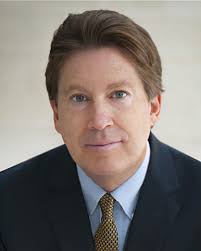
Presenter: Dale Bredesen MD
Original Date: April 6 2025
With the recent introduction of new blood tests that correlate very well with more invasive tests (such as spinal fluid analysis) and more expensive tests (such as PET scans) in the diagnosis of Alzheimer’s disease, it is now straightforward to determine whether one has Alzheimer’s; and more importantly, the high-sensitivity versions of these tests allow early diagnosis, prior to symptom onset. Coupling these early diagnostics with personalized, precision medicine protocols makes it possible for the first time to avoid Alzheimer’s-related dementia in the vast majority of patients. The combination of tests includes those that indicate if Alzheimer’s-related pathophysiology is ongoing (p-tau 217, GFAP, NfL, and Abeta 42:40 ratio) and those that disclose the relevant risk factors (genetic, metabolic, toxic, microbiologic). Recent success in clinical trials indicates that early diagnosis allows effective prevention and treatment.
Bio: Dr. Bredesen graduated from Caltech and received his MD from Duke. He trained with Nobel laureate Prof. Stanley Prusiner, and was the Founding President of the Buck Institute for Research on Aging. His research led to over 230 published papers, and the first reversal of cognitive decline in patients with Alzheimer’s disease, using a precision medicine protocol. He is the author of two New York Times best sellers, and is Senior Director of the world’s first precision medicine program for neurodegenerative diseases, at the Pacific Neuroscience Institute.
NUNM is accredited by the North American Naturopathic Continuing Education Council (NANCEAC). This activity qualifies for 1.5 General (1.5 CEUs Total).